



Home / Treatments / Foot Deformity

Foot Deformity

Home/Treatments/Foot Deformity

What Are Foot Deformities?

A foot deformity refers to any abnormal shape, structure, or alignment of the bones, joints, or soft tissues of the foot. These deformities may be congenital (present at birth) or acquired later in life due to trauma, degenerative diseases, improper footwear, or neuromuscular conditions.

Timely evaluation and treatment by an experienced orthopaedic specialist are essential to:

  • Prevent pain and further complications
  • Restore normal gait and foot mechanics
  • Improve overall mobility and quality of life

Whether it’s a mild case of flatfoot or a complex condition like Charcot foot, Dr. Divya Ahuja offers comprehensive, customized care using the latest orthopedic innovations.

Types of Foot Deformities

Common foot deformities include:

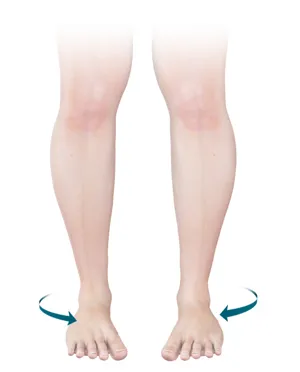
  • Flatfoot (Pes Planus): Collapsed or absent arch, often with inward ankle rolling.
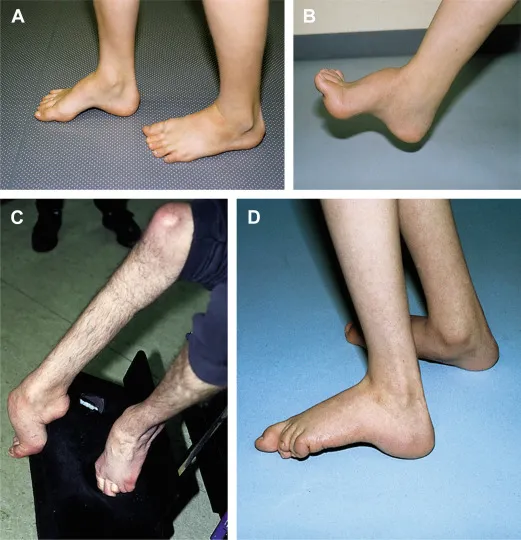
  • High Arch Foot (Pes Cavus or Cavovarus): Exaggerated arch, often painful and unstable.
  • Clubfoot (Talipes Equinovarus): Congenital deformity with foot turned inward and downward.
  • Bunions (Hallux Valgus): Bony bump at the base of the big toe, causing angulation.
  • Hammertoes / Claw Toes: Deformities of lesser toes, bent at one or more joints.
  • Metatarsus Adductus: Inward turning of the front part of the foot, common in infants.
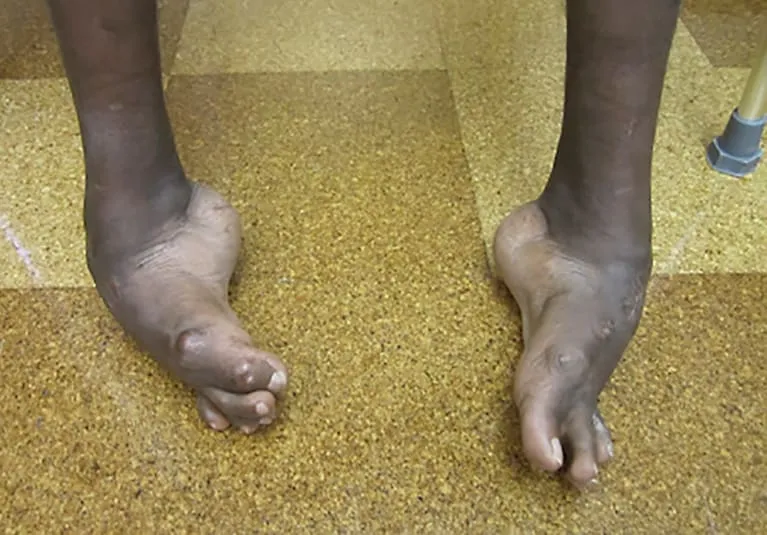
  • Charcot Foot: Collapse of the foot arch in patients with neuropathy (often diabetes).
  • Equinus Deformity: Limited upward bending of the foot at the ankle.
  • Tarsal Coalition: Fusion of two or more foot bones, leading to stiffness and pain.

Each deformity varies in presentation and severity, requiring individualized diagnosis and treatment.

Causes and Risk Factors

Foot deformities can be caused by:

  • Congenital defects
  • Trauma: Fractures, dislocations, or crush injuries
  • Neuromuscular conditions: Cerebral palsy, Charcot-Marie-Tooth disease
  • Inflammatory arthritis: Rheumatoid arthritis, psoriatic arthritis
  • Poor footwear: High heels, tight shoes, or prolonged improper foot support
  • Obesity: Increased stress on the foot structure
  • Muscle imbalance: Due to nerve damage, disuse, or aging

Knowing the underlying cause is crucial to effective treatment and preventing recurrence.

Symptoms and Signs Foot Deformity

Patients with foot deformities may experience:

  • Visibly misaligned or deformed feet
  • Pain in the foot, ankle, or leg, especially during activity
  • Difficulty wearing shoes or finding comfortable footwear
  • Instability, limping, or altered walking pattern
  • Calluses, corns, or ulcers from abnormal pressure points
  • Limited range of motion or stiffness in toes/ankle
  • Infections or skin breakdown in severe or neglected cases

Persistent or worsening symptoms indicate a need for specialist evaluation.

When to See an Orthopaedic Specialist for Foot Deformity

Make an appointment with an orthopaedic expert like Dr. Divya Ahuja if:

  • You experience chronic foot pain
  • There is a visible deformity or structural change
  • Symptoms interfere with walking, standing, or exercise
  • Footwear causes discomfort or skin damage
  • You’ve failed to improve with home care or OTC orthotics
  • There’s a history of diabetes, trauma, or neuropathy

Early diagnosis allows for less invasive correction and prevents joint or nerve damage.

Diagnosis for Foot Deformity

Comprehensive assessment includes:

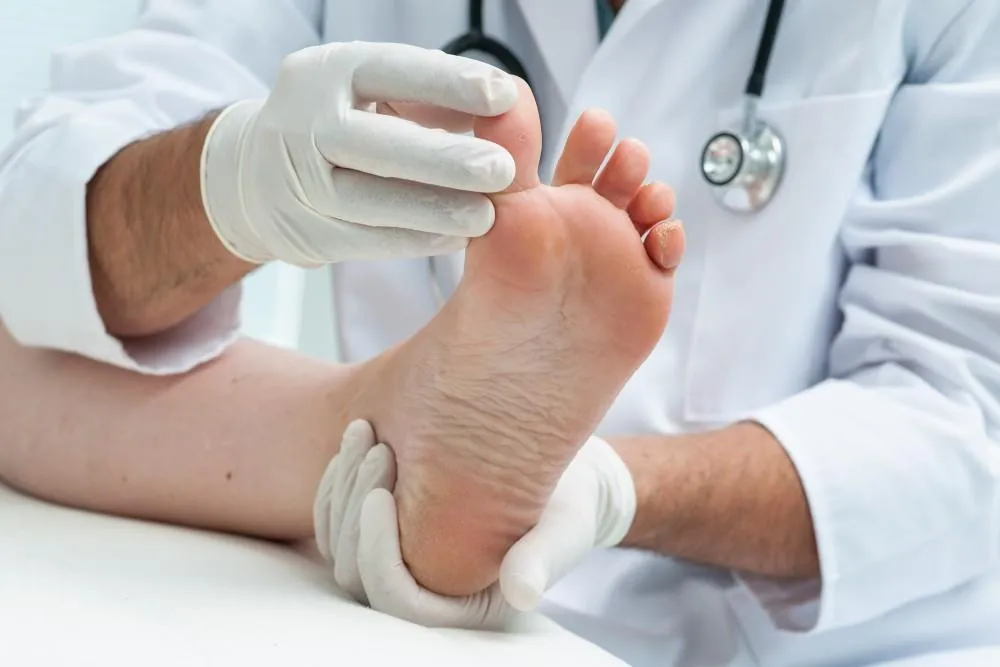
  • Clinical Examination: This involves observing the foot’s structure, walking patterns, joint movement, and skin condition.
  • Gait Analysis: This process identifies any abnormal foot mechanics and assesses weight distribution.
  • X-rays: Evaluate bone alignment and joint spacing.
  • MRI/CT scans: Assess soft tissue, ligaments, or subtle bone injuries.
  • Ultrasound: For real-time tendon and ligament assessment.
  • Weight-bearing tests: Reveal deformities not visible in the resting foot position.
  • Shoe wear analysis: Shows abnormal wear patterns that reflect alignment issues.

Diagnosis helps customize a treatment plan for long-term relief and function.

Advanced Orthopaedic Treatment Options for Foot Deformity

Non-Surgical Treatments for Foot Deformity

  • Activity Modification: Avoiding aggravating activities and ensuring rest.
  • Footwear Advice: Switching to supportive, wide-toe box shoes.
  • Custom Orthotics & Insoles: Redistribute pressure and correct gait.
  • Bracing or Splints: Support deformities like flatfoot or bunions.
  • Physiotherapy: Strengthens foot/ankle muscles, improves flexibility, reduces pain.
  • Pain Management: NSAIDs, corticosteroid injections, and anti-inflammatories.
  • Medical Management: Treating conditions like rheumatoid arthritis or diabetes to prevent further damage.

Surgical Treatments for Food Deformity

  • Osteotomy: Bone is cut and realigned to correct structural deformity.
  • Tendon Transfer or Release: Restores muscle balance and flexibility.
  • Fusion Procedures (Arthrodesis): Stabilizes joints in severe deformities.
  • Joint Replacement: For end-stage arthritis or failed joint mechanics.
  • Minimally Invasive Surgery: Arthroscopy for soft-tissue corrections.
  • Ilizarov  Surgery Technique: External fixator used for complex realignment and limb reconstruction.
  • Reconstructive & Cosmetic Surgery: Enhances both function and aesthetics.

Surgical intervention is typically reserved for patients with pain, functional limitation, or failed conservative treatment.

Benefits of Timely Foot Deformity Correction

  • Restores natural foot shape and alignment
  • Reduces pain, instability, and fatigue
  • Improves walking ability, posture, and gait
  • Prevents complications like ulcers, arthritis, and nerve damage
  • Boosts confidence and daily activity participation

Helps patients return to sports or work faster

Recovery, Rehabilitation, and Aftercare

Recovery depends on the type and complexity of the treatment:

  • Non-surgical: Improvements seen within weeks with therapy and orthotics
  • Post-surgery: Recovery time is typically 6–12 weeks, with full return to activity in 3–6 months

Rehabilitation includes:

  • Physiotherapy: Muscle retraining, mobility exercises, balance improvement
  • Gradual weight-bearing: Guided by your orthopaedic surgeon
  • Wound and pin site care: In surgical or frame-based treatments
  • Custom footwear post-op: To support correction and prevent recurrence
  • Follow-ups and imaging: Monitor healing and functional recovery

Patient compliance plays a major role in successful outcomes.

Risks and Potential Complications

Even with expert care, some risks include:

  • Infection (especially surgical or diabetic cases)
  • Bleeding or delayed wound healing
  • Nerve or vascular injury
  • Stiffness or limited joint motion
  • Over- or under-correction
  • Recurrence, especially if the underlying cause is not treated
  • Revision surgery in complex or non-responsive cases

These risks are minimised with precise surgical technique and comprehensive follow-up by experts like Dr. Divya Ahuja.

Special Considerations

  • Pediatric Care: Growth plate preservation, non-invasive treatment, and close monitoring are key.
  • Adults & Elderly: May need more aggressive treatment due to joint degeneration or limited healing.
  • Diabetics & Neuropathic Patients: Require vigilant care to prevent ulceration, Charcot collapse, or amputation.

Each patient receives a personalized approach based on age, activity level, comorbidities, and goals.

Why Choose Dr. Divya Ahuja for Foot Deformity Correction?

Dr. Divya Ahuja is a leading orthopaedic surgeon with expertise in both simple and complex foot deformities. His clinic provides:

  • Multidisciplinary foot and ankle care
  • Modern diagnostic imaging and gait labs
  • Skilled in both minimally invasive and reconstructive surgery
  • Customized treatment plans for each patient
  • Advanced rehabilitation protocols
  • Proven success in deformity correction and functional restoration

Patients from across India and abroad trust Dr. Ahuja for reliable, long-lasting results in foot deformity management.

Book Your Consultation Today

Struggling with foot pain or a visible deformity?
Dr. Divya Ahuja offers compassionate, evidence-based care for lasting relief and function.

📍 Clinics in top orthopaedic hospitals near you
📞 Call now or book online for a detailed evaluation and treatment plan.

How We Work

Frequently Asked Questions about Bow Leg Correction

They can be congenital or acquired due to trauma, nerve disorders, arthritis, or poor footwear.

Yes, through proper footwear, managing weight, and early treatment of injuries or metabolic diseases.

No. While many mild cases improve with orthotics and therapy, advanced deformities often need surgical correction.

Most patients experience significant pain relief, improved alignment, and better walking ability.

Recovery ranges from weeks to months, depending on treatment type and severity of deformity.

They can cause pain, especially during activity or prolonged standing.

Yes, with modern techniques and proper evaluation, elderly patients can safely undergo correction.

 They can if the root cause isn’t addressed. Regular follow-up helps prevent recurrence.

 Success rates are high, particularly when managed by experienced orthopaedic surgeons.

Custom footwear may be needed post-recovery to maintain correction and support.