



Home / Treatments / Foot Deformity

Foot Deformity: Types, Causes, Symptoms and Treatment

A foot deformity is any abnormal change in the shape, alignment, or structure of the bones, joints, or soft tissues of the foot. Deformities are either congenital or acquired through injury, disease, or mechanical stress. Without timely treatment, most worsen and lead to chronic pain, arthritis, or amputation risk. Dr. Divya Ahuja provides comprehensive diagnosis and treatment for all types of foot deformities, from simple corrections to complex reconstructive surgery.

What Are Foot Deformities?

A foot deformity refers to any visible or structural abnormality that differs from normal foot anatomy. Clinically, patients and doctors use several terms to describe the same family of conditions:

  • Abnormal foot shape or abnormal foot structure
  • Foot abnormality or abnormalities of the foot
  • Structural deformity or structural foot deformity
  • Malformed foot, disfigured foot, or foot malformation
  • Deformation of the foot or foot deformation
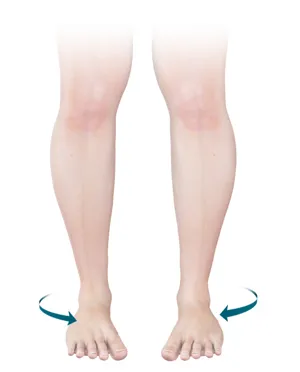
  • Inward foot deformity or inward deviation of the foot

All of these fall under the same diagnostic and treatment framework. A foot deformity is distinct from temporary swelling or soft tissue injury because it involves a lasting change to bone alignment, joint structure, or mechanical function that does not resolve without targeted treatment.

Types of Foot Deformities

Common foot deformities, including flatfoot, high arch foot, clubfoot, bunions, hammertoe, Charcot foot, equinus deformity, tarsal coalition, and varus-valgus foot alignment, with clear anatomical visual comparisons.
  • Flatfoot (Pes Planus): Arch collapse causing the full sole to contact the ground, often with inward ankle rolling and activity-related pain. One of the most common structural foot deformities in adults.
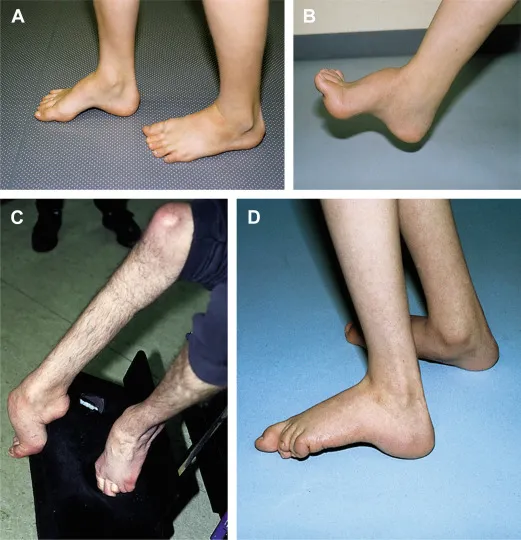
  • High Arch Foot (Pes Cavus): Exaggerated arch placing excess pressure on the heel and forefoot. Associated with instability and frequently linked to neuromuscular conditions, including Charcot-Marie-Tooth disease.
  • Clubfoot (Talipes Equinovarus): Congenital deformity with the foot turned inward and downward at birth. Responds well to early treatment but requires surgical correction when neglected.
  • Inward Foot Deformity (Metatarsus Adductus): The front half of the foot turns inward. Common in infants, it often resolves with early casting or stretching.
  • Bunions (Hallux Valgus): Bony prominence at the big toe base with progressive inward angulation. Worsened by narrow footwear over time.
  • Hammertoe and Claw Toe: Abnormal bending of the smaller toes caused by muscle imbalance. Initially flexible, it becomes rigid without treatment.
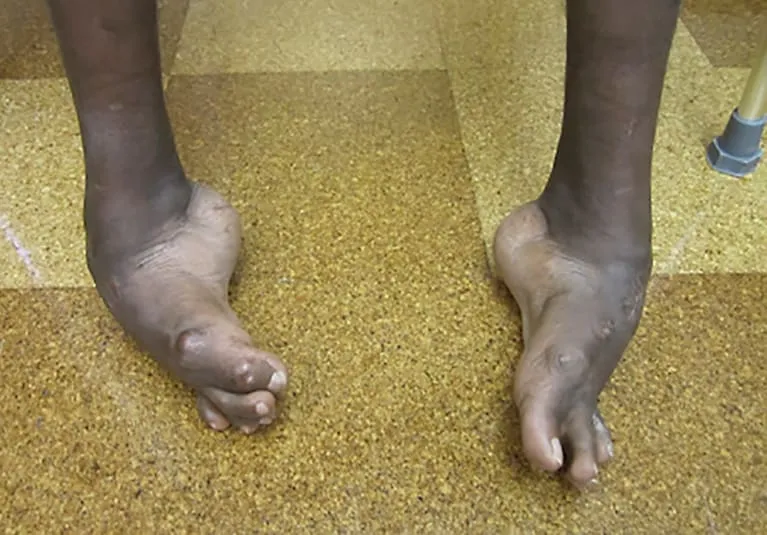
  • Charcot Foot: Progressive arch collapse due to peripheral neuropathy, most commonly in diabetic patients. Causes severe foot disfigurement and carries amputation risk if untreated.
  • Equinus Deformity: Restricted upward ankle movement forces patients to walk on the toes or forefoot. Often causes secondary arch and ankle deformities over time.
  • Tarsal Coalition: Abnormal fusion of two or more foot bones during development, causing rigid flatfoot and recurring pain in adolescents.
  • Varus and Valgus Foot Deformity: Varus turns the foot inward, valgus rolls it outward. Both alter weight-bearing mechanics and frequently occur alongside leg alignment problems. See bow leg correction for related limb deformity care.

Foot Deformities in Adults vs Children

Age plays a significant role in how foot deformities develop, present, and respond to treatment. The same condition can require a completely different management approach depending on whether the patient is a child, an adult, or an elderly.

Foot Deformities in Children

Foot deformities in children are more commonly congenital or developmental. Growing bone is flexible, so early intervention achieves better outcomes with less invasive treatment. Conditions such as clubfoot and tarsal coalition respond well to casting or bracing when treated in childhood. Growth plate preservation remains a priority across all paediatric cases.

Foot Deformities in Adults

Foot deformities in adults are more commonly acquired. Years of mechanical stress, arthritis, or diabetes compound the original structural problem. Adult patients typically present later, when conservative options are limited and surgical correction, including osteotomy or joint fusion, becomes necessary to restore alignment and relieve pain.

Foot Deformities in Elderly Patients

Elderly patients face additional challenges from reduced bone density, slower healing, and multiple coexisting medical conditions. Treatment planning for this group carefully balances the expected functional improvement against surgical risk and overall recovery capacity.

Causes of Foot Deformities

Patients with foot deformities may experience:

  • Congenital defects: Genetic or developmental conditions present at birth, such as clubfoot or tarsal coalition
  • Trauma: Fractures or crush injuries that heal in an abnormal position, particularly when initial treatment was delayed
  • Neuromuscular conditions: Cerebral palsy, Charcot-Marie-Tooth disease, or spinal cord injury, creating progressive muscle imbalance
  • Inflammatory arthritis: Rheumatoid or psoriatic arthritis eroding joint surfaces and altering foot alignment over time
  • Diabetes and neuropathy: Reduced sensation allows minor injuries to progress into serious structural damage silently
  • Improper footwear: High heels and narrow shoes worn for years accelerate structural deterioration in susceptible feet
  • Obesity: Excess weight increases mechanical stress on the arch and ankle, speeding up deformity progression

Symptoms of Foot Deformity

Signs That Require Specialist Evaluation

  • Visibly misshapen, asymmetric, or structurally altered feet
  • Persistent foot, ankle, or lower leg pain during walking or prolonged standing
  • Difficulty fitting into standard footwear without pain or skin damage
  • Limping, instability, or a noticeable change in walking pattern
  • Calluses, corns, or pressure ulcers at abnormal contact points
  • Stiffness or restricted movement in the toes or ankle
  • Recurring skin breakdown or wound formation in severe cases

Patients with diabetes, neuropathy, or a history of significant foot trauma should seek early assessment without waiting for pain, as structural damage in these groups can advance silently and rapidly.

Diagnosis

How Foot Deformities Are Assessed

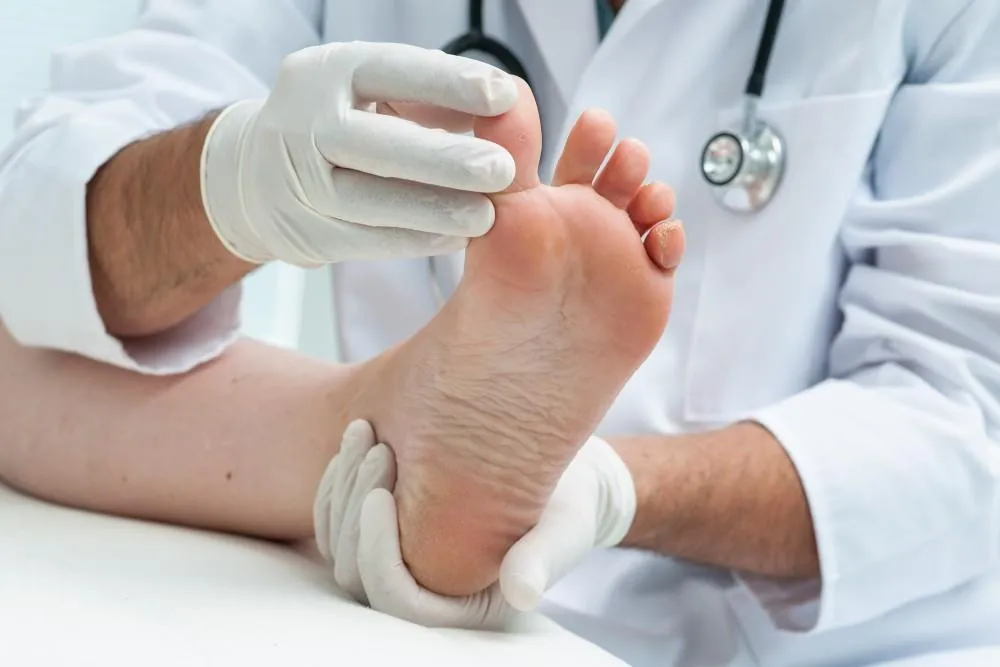
  • Clinical examination: Foot shape, joint range of motion, muscle strength, and skin condition
  • Gait analysis: Identifying abnormal mechanics and weight distribution during walking
  • Weight-bearing X-rays: Measuring bone angles and joint alignment under load, essential for flatfoot and valgus deformity assessment
  • MRI or CT scans: Detailed evaluation of cartilage, ligaments, and soft tissue involvement
  • Ultrasound: Real-time tendon and ligament assessment during movement
  • Shoe wear analysis: Chronic sole wear patterns reveal underlying alignment problems

Where bone infection is suspected alongside foot deformity, additional blood markers or bone scans may be required. See bone infection treatment for related care.

Advanced Orthopaedic Treatment Options for Foot Deformity

Non-Surgical Treatments for Foot Deformity

Conservative treatment is the first line of management for mild to moderate foot deformities. The goal is to reduce pain, correct mechanics, and prevent further structural deterioration without surgery.

  • Custom orthotics and insoles: Corrects pressure distribution across the foot and supports arch mechanics during walking and standing.
  • Supportive footwear: Wide toe box, low heel, and firm arch support reduce mechanical stress on deformed structures.
  • Physiotherapy: Strengthens foot and ankle muscles, restores flexibility, and retrains abnormal gait patterns over time.
  • Bracing or splinting: Provides external support for conditions such as flatfoot, equinus deformity, and post-injury realignment.
  • Pain management: Anti-inflammatory medications or corticosteroid injections to control acute pain and inflammation.
  • Medical management: Controlling diabetes, arthritis, or peripheral neuropathy to slow further structural deterioration of the foot.

Surgical Treatments for Foot Deformity

Surgery is considered when conservative treatment fails to provide adequate relief or the deformity causes significant structural damage and functional limitation. Dr. Divya Ahuja offers the full range of surgical options for foot deformity correction.

  • Osteotomy: Bone is cut and realigned to correct structural deformity and restore normal foot mechanics and weight distribution.
  • Tendon transfer or release: Restores muscle balance where nerve or muscle damage has caused the foot to adopt an abnormal resting position.
  • Arthrodesis: Joint fusion stabilises severely deformed or arthritic foot joints, eliminating pain and restoring structural alignment.
  • Ilizarov fixator surgery: An external frame is applied to achieve gradual, controlled realignment over several weeks, used for complex deformities and post-traumatic cases. Learn more about bone transport and limb reconstruction.
  • Minimally invasive surgery: Arthroscopic soft tissue correction with smaller incisions, reduced trauma, and faster recovery time.
  • Reconstructive surgery: For severe or neglected deformities requiring simultaneous correction of bone, tendon, and joint structures.

Benefits of Timely Foot Deformity Correction

  • Restores natural foot shape and alignment
  • Reduces pain, instability, and fatigue
  • Improves walking ability, posture, and gait
  • Prevents complications like ulcers, arthritis, and nerve damage
  • Boosts confidence and daily activity participation

Helps patients return to sports or work faster

Recovery, Rehabilitation, and Aftercare

Non-surgical patients typically improve within four to eight weeks with consistent physiotherapy. Surgical recovery follows a structured programme:

  • Weeks 1 to 4: Wound care and restricted weight-bearing with crutches or a boot
  • Weeks 4 to 8: Partial weight-bearing begins, physiotherapy starts
  • Weeks 8 to 12: Return to normal walking for most patients
  • 3 to 6 months: Return to sport or demanding physical activity, depending on the procedure

Ilizarov frame patients follow an extended timeline with regular pin site care and scheduled frame adjustments throughout the correction period.

Why Choose Dr. Divya Ahuja for Foot Deformity Correction?

Dr. Divya Ahuja provides specialist orthopaedic care for the full range of foot deformities, from straightforward structural corrections to complex Ilizarov and bone transport procedures. Patients travel from across India for access to advanced deformity correction, not widely available at general orthopaedic centres.

  • Specialist training in limb and foot deformity correction, including fixator techniques
  • Advanced diagnostics, including gait analysis and weight-bearing imaging
  • Personalised treatment plans based on age, activity level, and health status
  • Integrated physiotherapy and rehabilitation through the same clinic
  • Extensive experience with congenital, post-traumatic, and diabetic foot deformity cases

Book Your Consultation Today

Struggling with foot pain or a visible deformity?
Dr. Divya Ahuja offers compassionate, evidence-based care for lasting relief and function.

📍 Clinics in top orthopaedic hospitals near you
📞 Call now or book online for a detailed evaluation and treatment plan.

How We Work

Frequently Asked Questions about Bow Leg Correction

A foot deformity is any abnormal change in the shape, alignment, or structure of the foot’s bones, joints, or soft tissues, either present from birth or developed over time.

The most common types include flatfoot, bunions, hammertoe, clubfoot, equinus deformity, Charcot foot, tarsal coalition, and varus or valgus foot deformity.

Common causes include arthritis, diabetes, prior trauma, prolonged use of improper footwear, obesity, and neuromuscular conditions such as Charcot-Marie-Tooth disease.

Yes. Mild to moderate deformities often respond to custom orthotics, physiotherapy, and supportive footwear. Surgery is considered when conservative treatment fails to provide relief.

Fixator surgery uses an external Ilizarov frame to gradually correct complex structural deformities by applying controlled force over several weeks, allowing bone to remodel into correct alignment.

Most patients return to normal walking within 8 to 12 weeks. Full return to sport or physical work typically takes 3 to 6 months.

Treatment cost depends on the type of deformity, diagnostic workup, and whether surgery is needed. A detailed cost estimate is provided after the initial consultation with Dr. Divya Ahuja.

Congenital deformities such as clubfoot appear in children. Adults more commonly develop acquired deformities due to arthritis, diabetes, prior injury, or accumulated mechanical stress.

Untreated deformities worsen progressively, causing chronic pain, joint arthritis, pressure sores, and in diabetic patients, serious infection and significantly elevated amputation risk.

See a specialist if you have persistent foot pain, a visible structural change, difficulty walking, or a history of diabetes or neuropathy. Early evaluation prevents complications.