



Home / Treatments / Limb Length Discrepancy

Limb Length Discrepancy

Home/Treatments/Limb Length Discrepancy

Understanding Limb Length Discrepancy

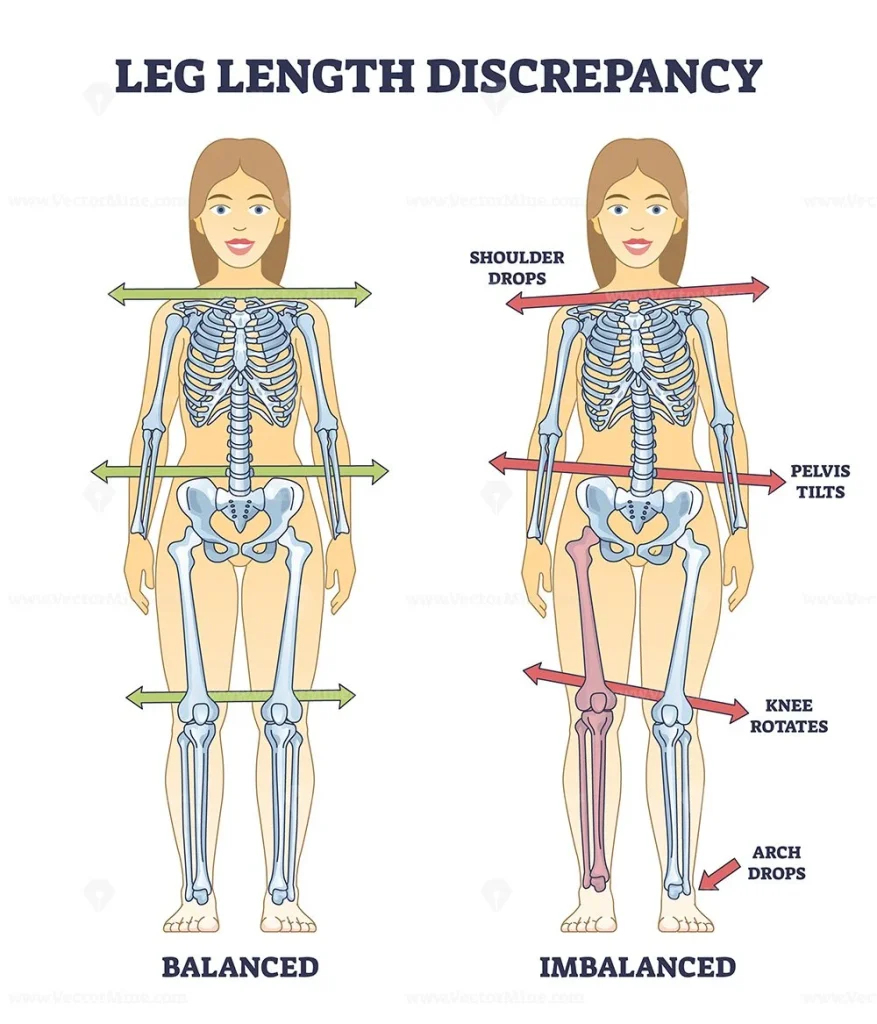
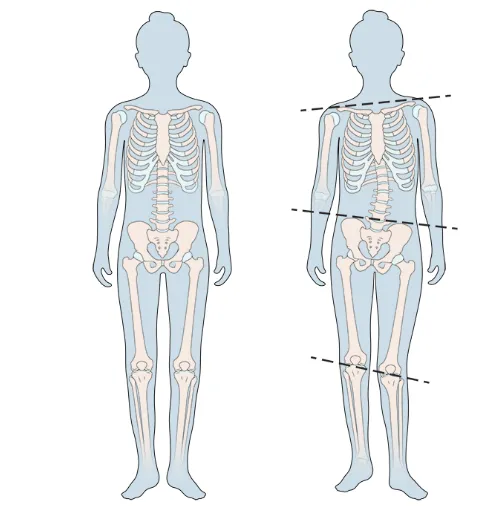
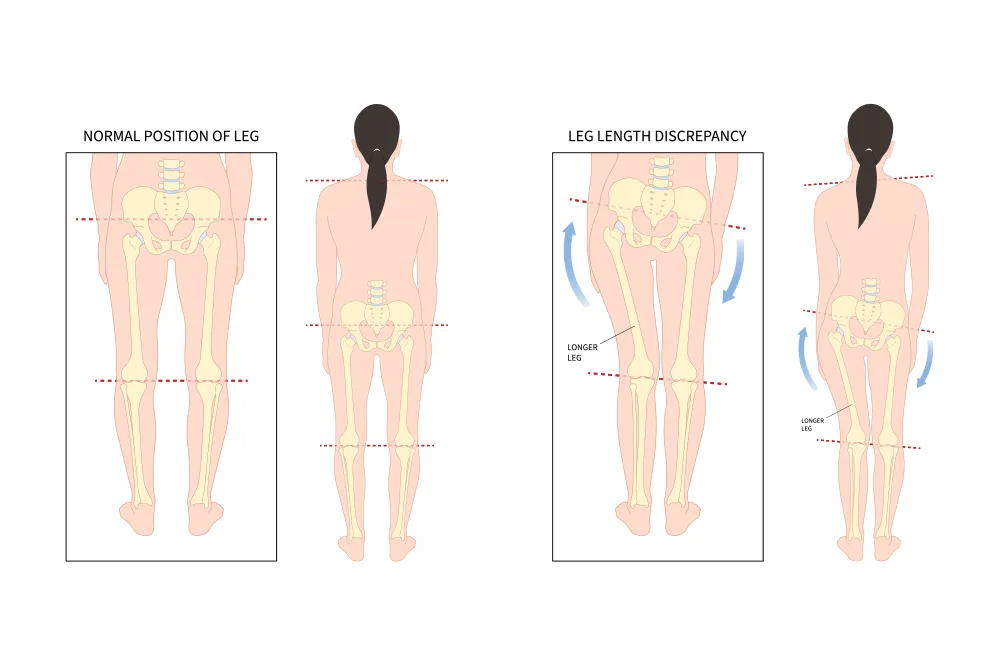
Walking, running, or even standing upright depends on the balance between both legs. When one leg is shorter than the other, it creates a condition called Limb Length Discrepancy (LLD). This difference may be just a few millimetres or several centimetres. While small differences often go unnoticed, larger discrepancies can cause serious issues such as limping, posture imbalance, hip or knee pain, and even spinal problems over time.

At the forefront of treating this condition in India is Dr. Divya Ahuja, one of Mumbai’s leading orthopaedic surgeons, with over 20 years of expertise in deformity correction and limb reconstruction. Using both Ilizarov techniques and modern implants like PRECICE nails, Dr. Ahuja offers world-class solutions for patients of all ages.

What is Limb Length Discrepancy?

Limb Length Discrepancy (LLD) means one leg is shorter than the other. This difference may be:

  • Structural: Actual bone length difference due to growth issues, fractures, or deformities.
  • Functional: Appears as a length difference due to hip, knee, or spine conditions, even when bone length is normal.

The impact depends on the amount of difference:

  • <2 cm: Often minor and may not require surgery.
  • 2–5 cm: Can cause limping, posture imbalance, and requires treatment.
  • >5 cm: Severe discrepancy, usually corrected by surgical limb lengthening.

👉 Common Question: What problems can unequal leg length cause?
It can lead to limping, uneven walking, back pain, hip pain, knee arthritis, and difficulty in sports or daily activities.

Causes of Limb Length Discrepancy

Limb length discrepancy may be present at birth or develop later in life.

1. Congenital Causes

  • Fibular Hemimelia: Absence or shortening of the fibula.
  • Congenital Short Femur: One thigh bone is underdeveloped.
  • Developmental Dysplasia of the Hip (DDH): Abnormal hip growth leads to leg length issues.

2. Acquired Causes

  • Fractures in Childhood: When bones heal improperly after injury.
  • Growth Plate Damage: From infections, trauma, or tumors.
  • Bone Infections (Osteomyelitis): Can damage growing bones.
  • Post-Surgical: Hip or knee surgeries that affect bone length.

👉 Common Question: What causes one leg to be shorter than the other?
Congenital deformities, trauma, growth plate damage, infections, or after orthopedic surgery.

Symptoms of Limb Length Discrepancy

Patients with LLD often experience:

  • A visible difference in leg length.

  • Limping or an uneven walking pattern.

  • Hip, knee, or back pain from imbalance.

  • Fatigue after walking long distances.

  • Difficulty in sports and physical activities.

👉 Common Question: How do I know if I have limb length discrepancy?
If you notice limping, posture problems, or pain on one side, consult an orthopedic specialist for evaluation.

Diagnosis of Limb Length Discrepancy

Accurate diagnosis is the key to effective treatment.

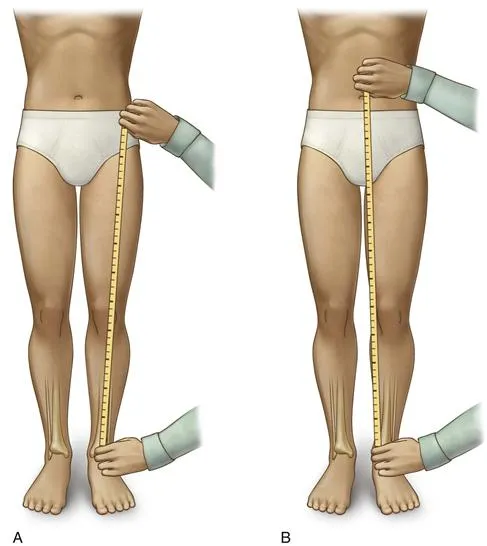
  • Clinical Examination: Measuring both legs physically.

  • Imaging: X-rays, scanograms, or CT scans to calculate exact discrepancy.

  • Digital Planning: Software-based analysis to plan corrections precisely.

👉 Common Question: How is limb length discrepancy diagnosed?
Through physical exam, X-rays, and advanced imaging to measure and plan treatment.

Step-by-Step Limb Lengthening Process

When surgery is required, the process involves:

  1. Pre-Surgical Planning: X-rays, CT scans, and digital mapping.
  2. Osteotomy: Safe surgical bone cut in the shorter limb.
  3. Device Placement: External fixator (Ilizarov) or internal nail (PRECICE).
  4. Distraction Phase: Gradual lengthening at ~1 mm/day.
  5. Consolidation Phase: Bone hardens in the new position.
  6. Device Removal & Rehabilitation.

👉 Common Questions:

  • How long does limb lengthening take? → About 2–3 months for lengthening, plus additional months for healing.

How much can you grow? → Typically up to 5–8 cm, depending on condition and safety limits.

Treatment Options for Limb Length Discrepancy

Treatment depends on the degree of difference and the patient’s age.

Non-Surgical (for <2 cm difference)

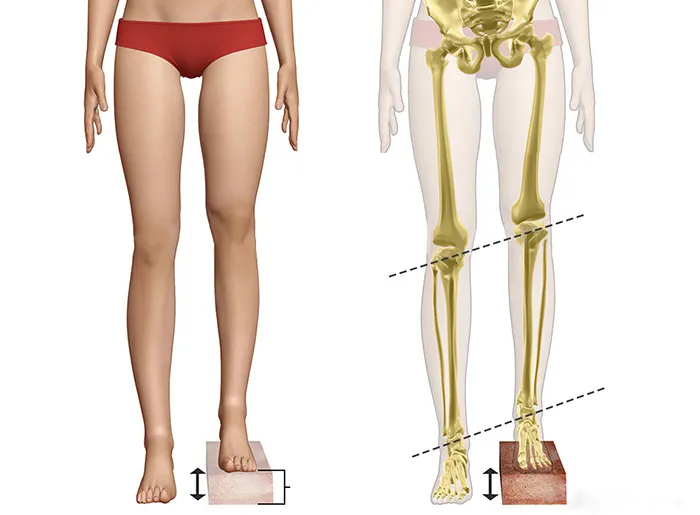
  • Shoe Lifts/Orthotics: Inexpensive and effective for small discrepancies.
  • Physiotherapy: Improves walking pattern and reduces strain.

Surgical (for >2–3 cm difference)

  • Ilizarov Technique (External Fixator): Gradual lengthening of the shorter leg by distraction osteogenesis.
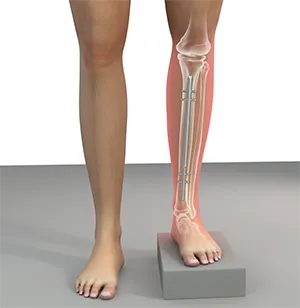
  • Internal Lengthening Nails (PRECICE): Modern implant-based solution allowing controlled lengthening without external frames.
  • Epiphysiodesis (Growth Plate Surgery): In children, growth is slowed in the longer leg to allow the shorter one to catch up.
  • Osteotomy & Bone Transport: Used for severe discrepancies and deformities.

👉 Common Questions:

  • How is limb length discrepancy corrected? → Through shoe lifts, physiotherapy, or surgery, depending on severity.
  • Which surgery is best? → Ilizarov for severe deformities; PRECICE nails for cosmetic/controlled correction.

Benefits of Correcting Limb Length Discrepancy

  • Equalises leg length for better balance.

  • Improves posture and spine alignment.

  • Reduces hip, knee, and back pain.

  • Prevents early arthritis from uneven wear.

  • Boosts confidence and mobility.

👉 Common Question: Is it worth treating limb length discrepancy?
Yes, untreated discrepancies can cause long-term pain, joint damage, and reduced quality of life.

Risks & Challenges of Surgery

Like all surgeries, there are risks:

  • Pin site infection (with external fixators).
  • Joint stiffness if physiotherapy is ignored.
  • Delayed bone healing.
  • Requires patient commitment for months of treatment.

👉 Common Question: What are the risks of limb length discrepancy surgery?
Most are minor and manageable under expert care.

Recovery & Rehabilitation

Recovery is gradual but rewarding.

  • Hospital Stay: 3–5 days.
  • Walking: With crutches during the lengthening phase.
  • Physiotherapy: Daily exercises to maintain flexibility.
  • Return to Normal Life: 6–12 months.

👉 Common Question: How long is the recovery for limb length discrepancy surgery?
Daily activities resume in 3–6 months; full recovery may take up to 1 year.

Cost of Limb Length Discrepancy Surgery in India / Mumbai

  • India offers world-class correction at affordable costs.

    • Average Cost in Mumbai: ₹3–7 lakhs, depending on technique.

    • International Comparison: 3–4 times lower than the US/UK.

    • Insurance Coverage: Covers medical cases, not cosmetic height gain.

    👉 Common Questions:

    • What is the cost in India? → Around ₹3–7 lakhs.

    • Is it covered by insurance? → Yes, if done for medical necessity.

Why Choose Dr. Divya Ahuja for Limb Length Discrepancy Treatment?

  • Mumbai’s leading orthopaedic surgeon in deformity correction.

  • 20+ years of experience with Ilizarov, PRECICE, and advanced techniques.

  • Faculty trainer at national orthopaedic workshops.

  • 1,000+ successful deformity correction cases, including discrepancies.

  • Patient-first approach with comprehensive follow-up.

👉 Common Question: Who is the best doctor for limb length discrepancy in India?
Dr. Divya Ahuja is recognised for precision, innovation, and patient care in limb discrepancy correction.

How We Work

Frequently Asked Questions about Bow Leg Correction

A limb length discrepancy (LLD) means one leg is shorter than the other. The difference can be small and harmless or large enough to cause walking problems, pain, and posture imbalance.

A difference of 0.5 inch (~1.2 cm) is usually minor and often doesn’t need surgery. Small discrepancies can be managed with shoe lifts or orthotics if they cause symptoms. Larger or painful differences may require medical correction.

LLD can be congenital (present from birth) or acquired (develops later). Common causes include fractures, growth plate damage, infections, hip dysplasia, or past surgeries. Genetics may also play a role in some conditions.

Diagnosis involves a clinical exam, where the doctor measures leg lengths. Imaging tests like X-rays, scanograms, or CT scans provide exact measurements and help plan treatment.

ILD usually refers to Interstitial Lung Disease, which is different from LLD. It is a chronic lung condition that can cause disability in advanced cases. It is not related to limb length discrepancy (LLD).

Untreated LLD can cause chronic back pain, hip/knee arthritis, balance issues, and scoliosis (spinal curvature). Over time, it may also affect walking and limit sports or daily activities.

Chiropractors can help with functional discrepancies caused by muscle or posture imbalance. But for true structural discrepancies (actual bone length difference), only medical treatment like shoe lifts or surgery is effective.

Yes, most cases can be corrected. Small differences are managed with lifts, while larger ones can be cured using limb lengthening surgery (Ilizarov or PRECICE nails) or growth plate procedures in children.

Treatment time depends on the size of the discrepancy. Shoe lifts work instantly, while surgical limb lengthening may take 6–12 months for full correction and recovery.

Yes. LLD often leads to spinal misalignment, back pain, hip strain, and balance problems. Uneven walking puts extra stress on muscles and joints, causing long-term discomfort if untreated.

Usually, the longer leg’s hip bears more stress and pain, but the shorter leg can also cause discomfort. Over time, both hips may develop strain due to uneven weight distribution.

LLD affects the hip flexors, hamstrings, gluteal muscles, and spinal stabilizers. These muscles work harder to compensate for imbalance, leading to stiffness and fatigue.

Physical therapy cannot change bone length, but it helps manage symptoms. Strengthening, stretching, and posture exercises improve balance and reduce pain. Surgery or lifts may still be required for permanent correction.

Yes. Heel lifts or shoe inserts are effective for minor discrepancies (<2 cm). They help balance the legs, reduce pain, and improve walking.

Some congenital cases have a genetic component, such as conditions affecting bone development. However, most discrepancies are due to injury, infection, or growth plate damage.

Exercises focus on core strengthening, hip and back stretches, balance training, and gait correction. While they don’t fix bone length, they improve posture and reduce discomfort.