Key takeaways:
- Exercises alone cannot correct bow leg bone structure but significantly reduce pain and improve daily walking ability.
- Hip abductor strengthening and glute bridges are the most effective exercises for stabilizing knees in genu varum.
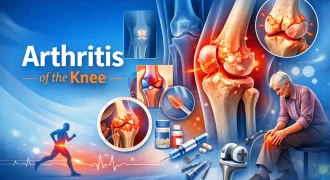
- Bow legs place excess pressure on the inner knee compartment, leading to cartilage wear and progressive arthritis over time.
- Children under two years old naturally have mild bow legs, which usually resolve without any treatment or intervention.
- Adults develop bow legs most commonly due to knee osteoarthritis, obesity, old fractures, or untreated childhood conditions.
- Corrective osteotomy surgery achieves 85 to 95 percent patient satisfaction, with most patients returning to daily life within four months.
- Physiotherapy before bow leg surgery builds muscle strength and leads to faster recovery and better long-term surgical outcomes.
- Offloader knee braces reduce inner knee pain effectively in adults but cannot change the underlying bone alignment of bow legs.
- Yoga poses like Warrior II, Triangle Pose, and Butterfly Pose improve hip flexibility and reduce discomfort in mild bow legs.
- Consistent exercise five to six days per week produces noticeable pain reduction and improved gait within six to eight weeks.
Bow legs (genu varum) can impact daily mobility and cause discomfort if not properly managed. While physical therapy and, in some cases, surgery are often necessary for correction, specific exercises play a crucial role in supporting treatment and speeding up recovery. Whether you are undergoing conservative management or post-surgical rehabilitation, these best exercises for bow leg treatment, strengthening muscles, improving joint function, and promoting better alignment.
If you reside in Mumbai or nearby areas, incorporating the right exercises under expert guidance – such as from Dr. Divya Ahuja’s clinics – can optimise your bow leg treatment outcomes.
What Are Bow Legs (Genu Varum)?
Bow legs is a condition where the legs curve outward at the knees, even when the feet and ankles are placed together. The medical term is genu varum. When a person with bow legs stands straight, there is a visible gap between the knees that should not be present in normal leg alignment.
Bow legs can be described in several ways:
- Bowed legs or bowed knees
- Genu varum
- Curved legs or bent legs
- Bracket legs or O-shaped legs
In children under 2 years of age, mild bow legs are considered a normal part of development. However, bow legs that persist beyond early childhood, worsen over time, or appear in adults need proper evaluation and management.
What Causes Bow Legs in Adults?
Adults can develop bow legs for several reasons:
- Osteoarthritis – the most common cause of acquired bow legs in adults; cartilage wear on the inner knee causes progressive varus deformity
- Previous fractures that healed in incorrect alignment
- Paget’s disease – a bone disorder affecting bone remodeling
- Rickets or vitamin D deficiency – causes softening of bone during growth
- Obesity – increases mechanical load on the inner knee, worsening varus alignment
- Developmental causes that were not treated during childhood
Understanding the cause determines whether exercises alone are sufficient or whether surgical correction is also required.
Does Bow Legs Cause Knee Pain?
Yes. Bow legs place excessive load on the inner (medial) compartment of the knee joint. Over time, this uneven pressure causes:
- Cartilage wear on the inner knee
- Knee pain, especially after walking or standing
- Stiffness in the morning
- Progressive osteoarthritis if left untreated
Exercises that strengthen the muscles around the knee and hip help redistribute this load and reduce pain – making them an essential part of bow leg management even when surgery is being planned.
Why Are Exercises Important in Bow Leg Treatment?
Exercises help to:
- Strengthen muscles that support the legs and knees
- Improve joint stability and flexibility
- Correct abnormal gait patterns
- Reduce pain and prevent progression of deformities
- Aid recovery after surgical correction, like Ilizarov surgery
When combined with professional treatment, targeted exercises improve long-term functional outcomes and quality of life.
Can Exercise Correct Bow Legs?
This is the most commonly searched question on this topic. The honest answer is:
Exercises alone cannot fully correct structural bone deformity in genu varum. The outward curve of bow legs is determined by the shape and alignment of the bones – and no exercise changes bone anatomy directly.
However, exercises can:
- Significantly reduce the pain associated with bow legs
- Improve muscle balance around the knee and hip, reducing the functional impact of the deformity
- Slow the progression of bow legs in adults with mild varus
- Improve walking pattern and reduce abnormal joint stress
- Support surgical outcomes by building strength before and after correction
When exercises work best:
- Mild or functional bow legs in adults, where muscle imbalance is a contributing factor
- Children during growth, where exercise combined with bracing can support natural correction
- Post-surgical rehabilitation to restore full function after bone correction
When surgery is needed despite exercises:
- Severe structural bow legs with significant knee pain
- Progressive osteoarthritis of the inner knee
- Bow legs that have not responded to conservative management
Top Exercises to Support Bow Leg Treatment and Recovery
Below are carefully selected exercises with proven benefits:
1. Hip Abductor Strengthening
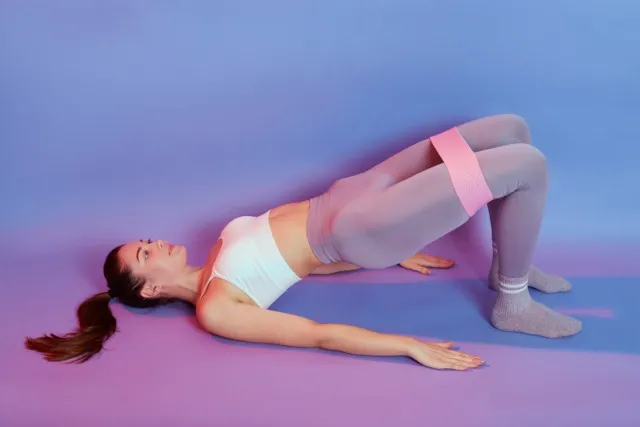
- Purpose: Strengthens outer thigh muscles (gluteus medius), crucial for stabilising the hips and knees.
- Exercise: Side-lying leg lifts
- How to do it: Lie on one side, lift the top leg straight up slowly, hold for 3 seconds, then lower. Perform 3 sets of 10-15 reps per side.
2. Quadriceps Strengthening
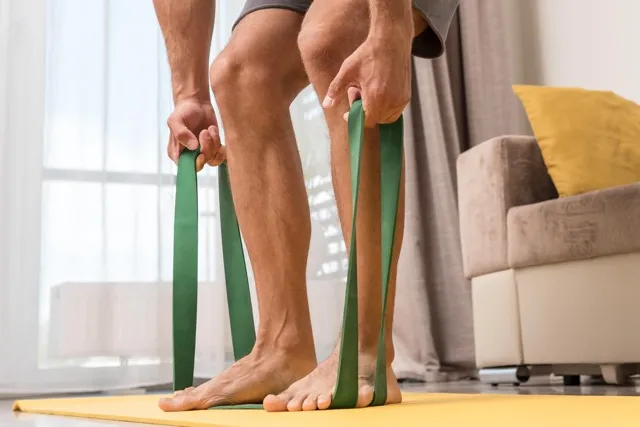
- Purpose: Builds the muscles at the front of the thighs to support the knee joint.
- Exercise: Straight leg raises
- How to do it: Lie flat, with one leg bent and the other straight. Lift the straight leg to knee height and hold for 5 seconds. Perform 3 sets of 10-15 reps.
3. Hamstring and Calf Stretches
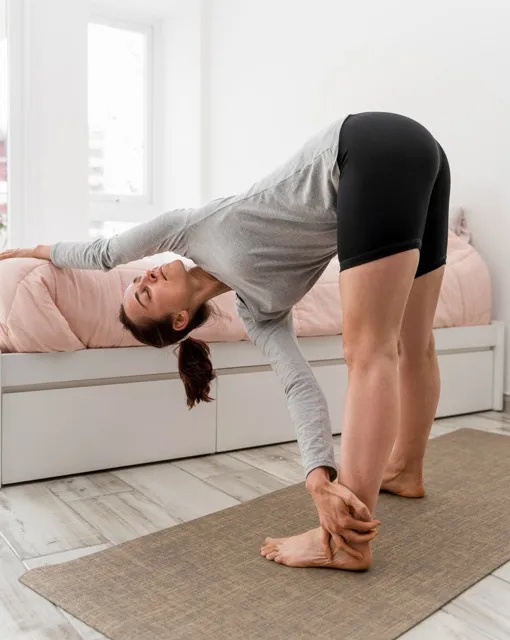
- Purpose: Increases flexibility to reduce strain on joints and muscles.
- Exercise: Standing hamstring stretch and calf stretch using a wall or step.
- How to do it: Hold each stretch for 20-30 seconds and repeat 3 times for each leg.
4. Glute Activation
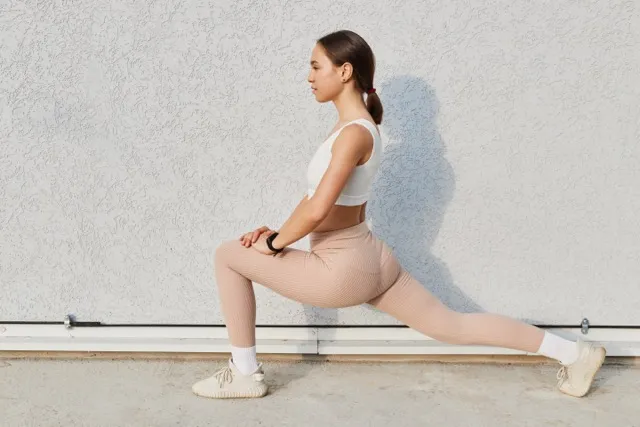
- Purpose: Activates and strengthens the glute muscles to aid lower limb alignment.
- Exercise: Bridges
- How to do it: Lie on your back with knees bent and feet flat. Lift hips upward to form a straight line from shoulders to knees, hold for 5 seconds, and lower. Perform 3 sets of 10 reps.
5. Balance and Proprioception Drills
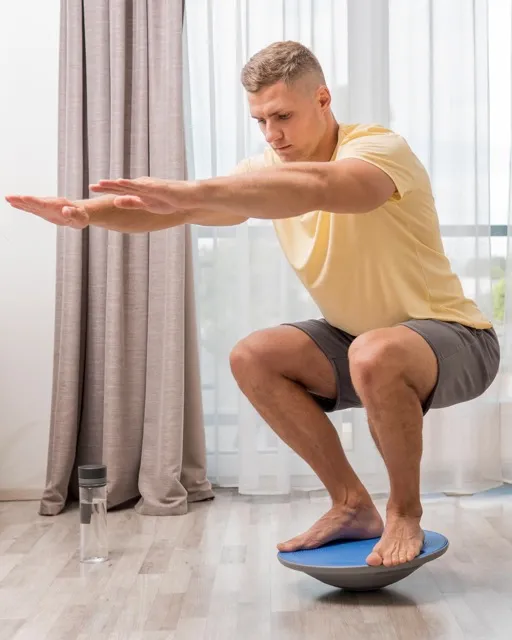
- Purpose: Improves stability and coordination to support a healthy gait.
- Exercise: Single-leg stands
- How to do it: Stand on one leg for 30 seconds to 1 minute. Use support initially if needed. Repeat 3 times per leg.
Additional Exercises for Bow Leg Correction
6. Varus Knee Exercises – Inner Thigh Strengthening
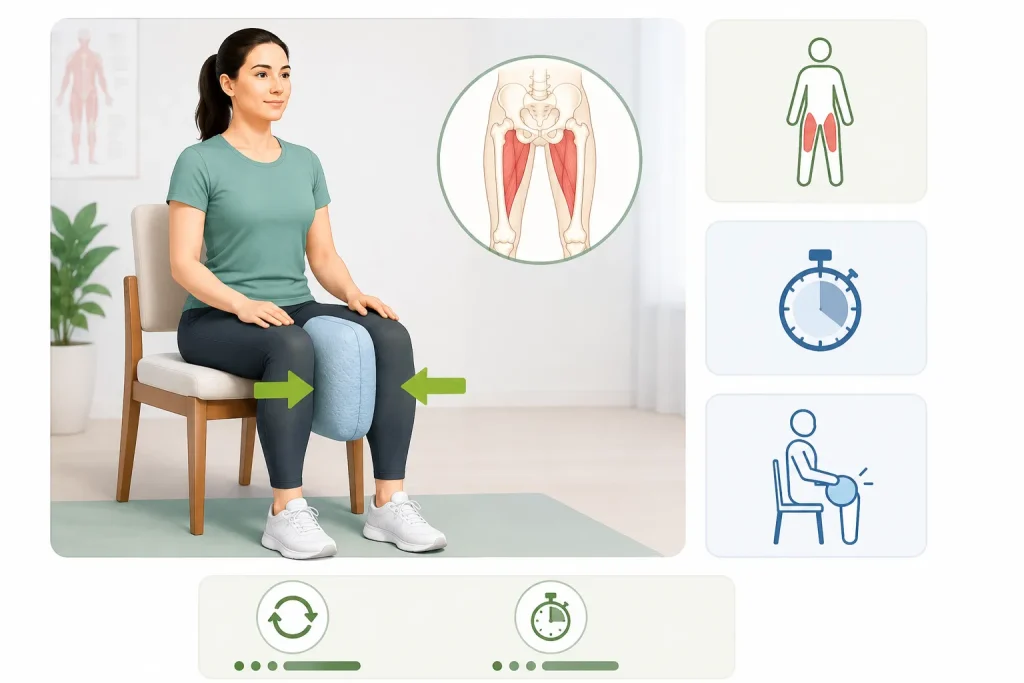
Purpose: Strengthening the inner thigh (adductor) muscles helps counterbalance the outward pull of the leg in genu varum.
Exercise: Seated adductor squeeze
How to do it: Sit upright in a chair. Place a soft ball or folded pillow between your knees. Gently squeeze for 5 seconds, then release. Perform 3 sets of 15 repetitions.
This exercise activates the medial muscles of the thigh that are often underused in people with bow legs.
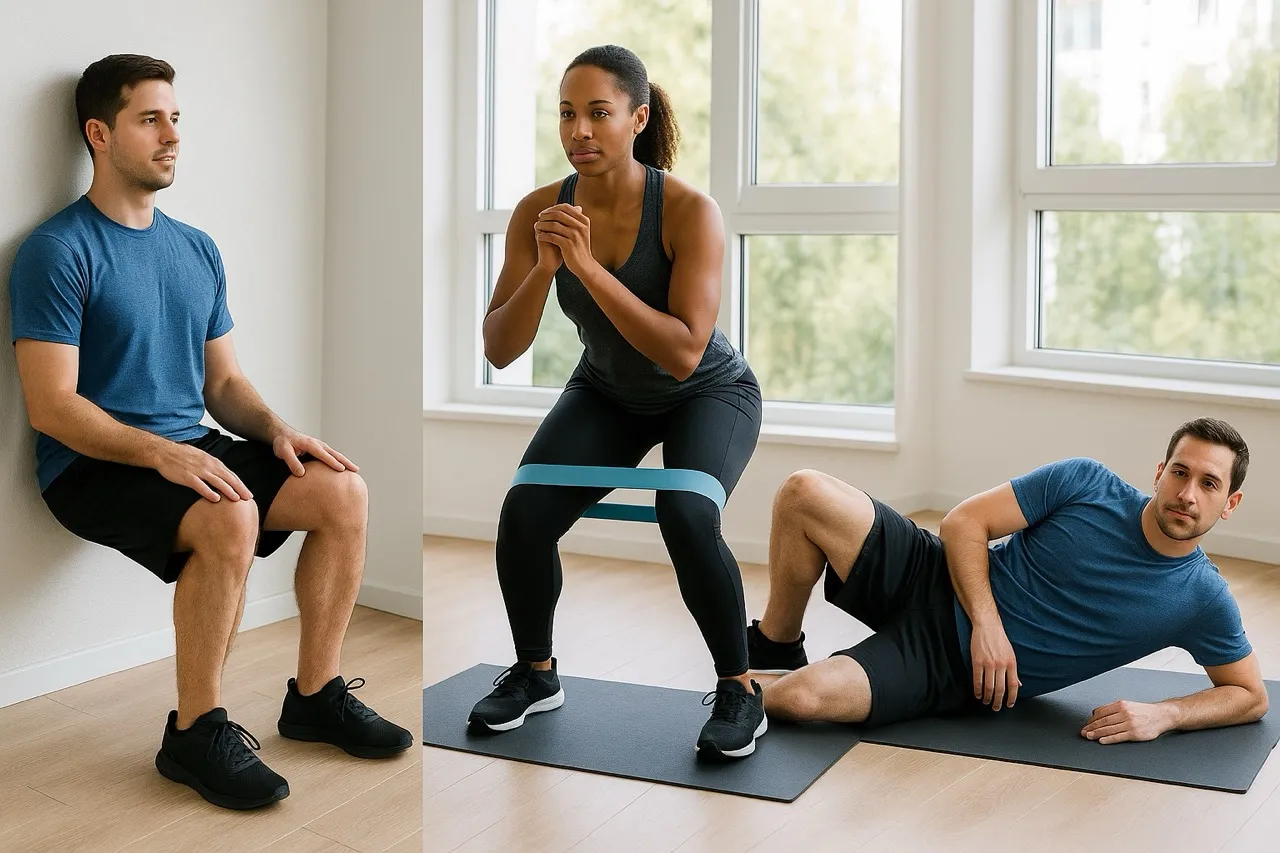
7. Wall Squat (Mini Squat)
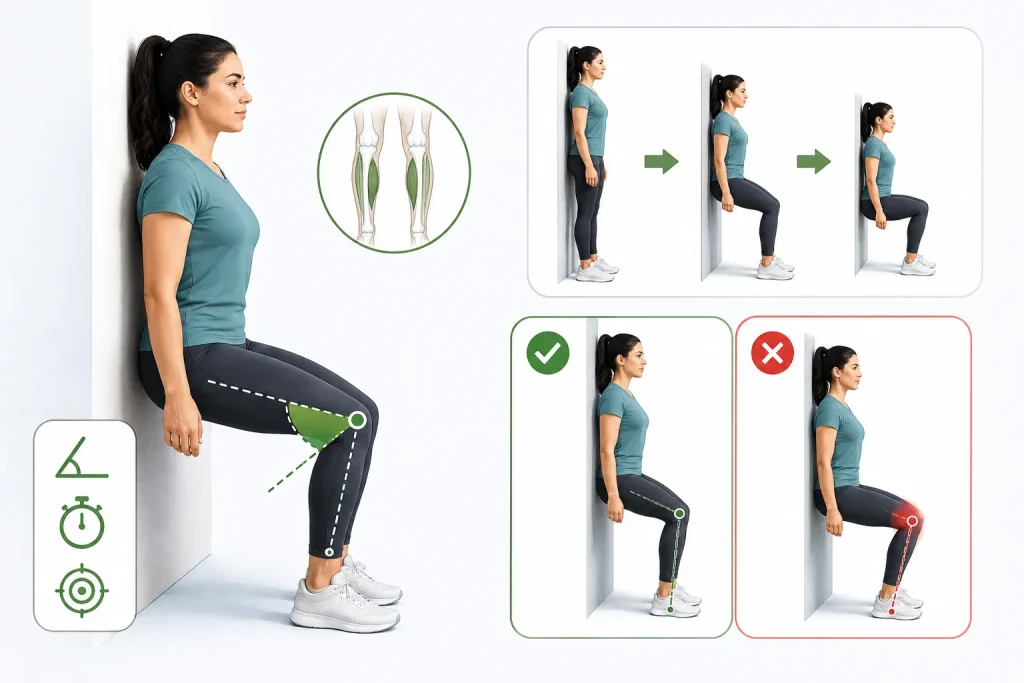
Purpose: Strengthens the quads, glutes, and inner thighs simultaneously while encouraging proper knee tracking.
How to do it: Stand with your back against a wall, feet hip-width apart. Slowly slide down until your knees are at approximately 30–45 degrees. Hold for 5–10 seconds. Return to standing. Perform 3 sets of 10.
Important: Do not allow knees to push outward beyond the feet during the squat. This is a critical technique point for bow leg patients.
8. Clamshell Exercise
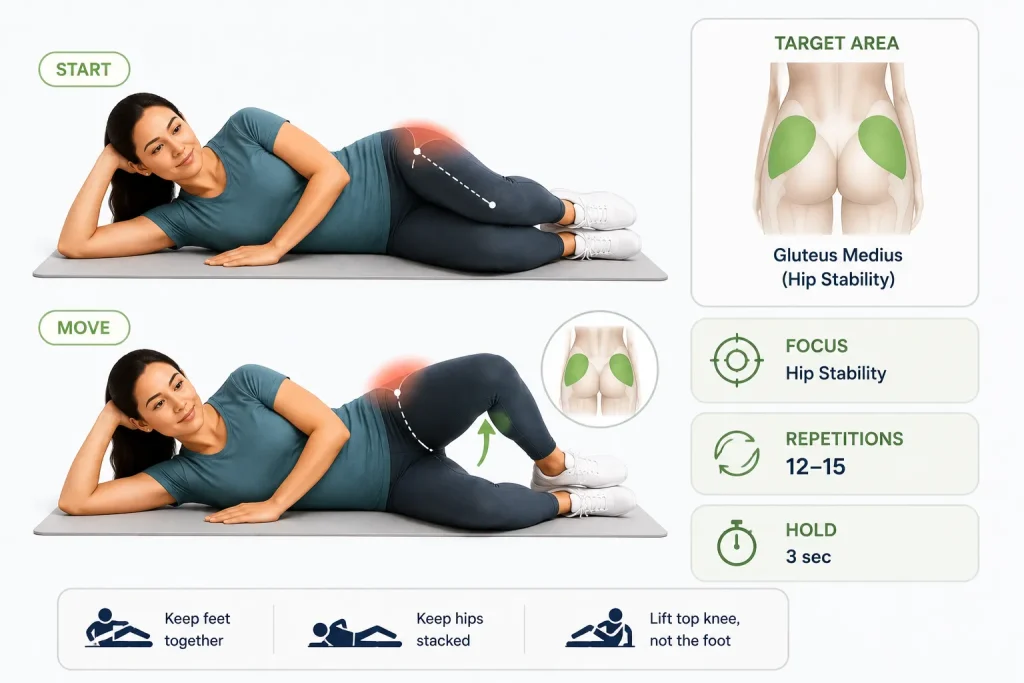
Purpose: Targets the gluteus medius – one of the most important muscles for hip and knee stability in bow legs.
How to do it: Lie on your side with knees bent at 45 degrees, feet stacked. Keeping feet together, rotate the top knee upward like a clamshell opening. Hold for 3 seconds. Lower slowly. Perform 3 sets of 12–15 reps per side.
The clamshell is particularly effective because it isolates the hip abductor without loading the knee joint.
9. Step-Up Exercise
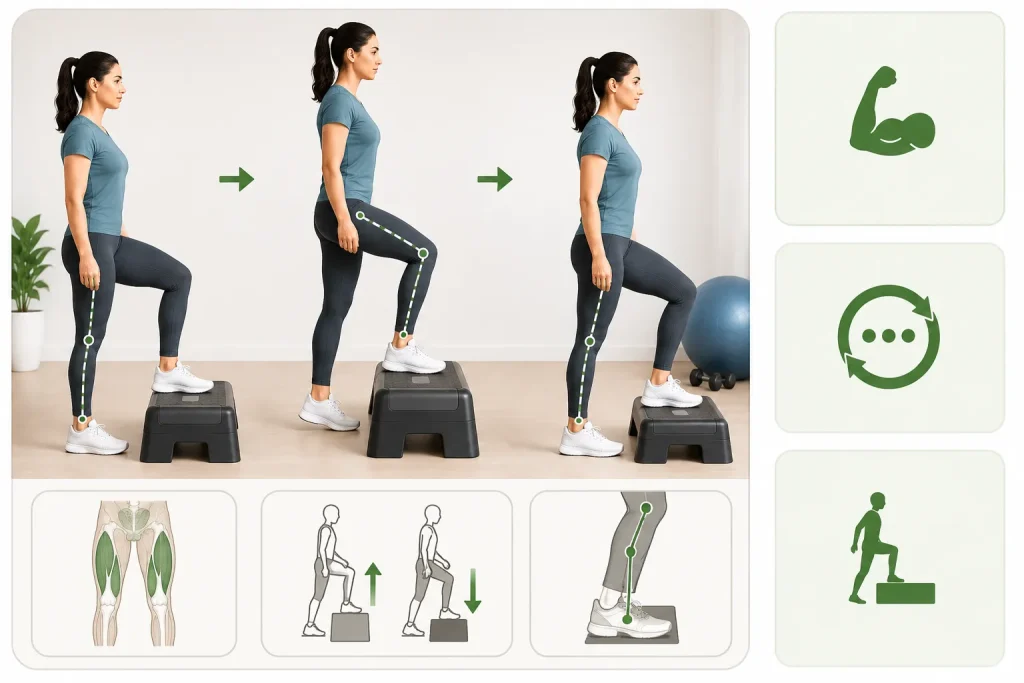
Purpose: Builds functional leg strength and promotes controlled knee tracking during daily movements like climbing stairs.
How to do it: Stand in front of a low step or platform. Step up with one foot, bring the other foot up, step back down in a controlled manner. Perform 3 sets of 10 on each leg.
Focus on keeping the stepping knee aligned over the foot – do not let it drift outward during the step.
10. Yoga Asanas for Bow Legs
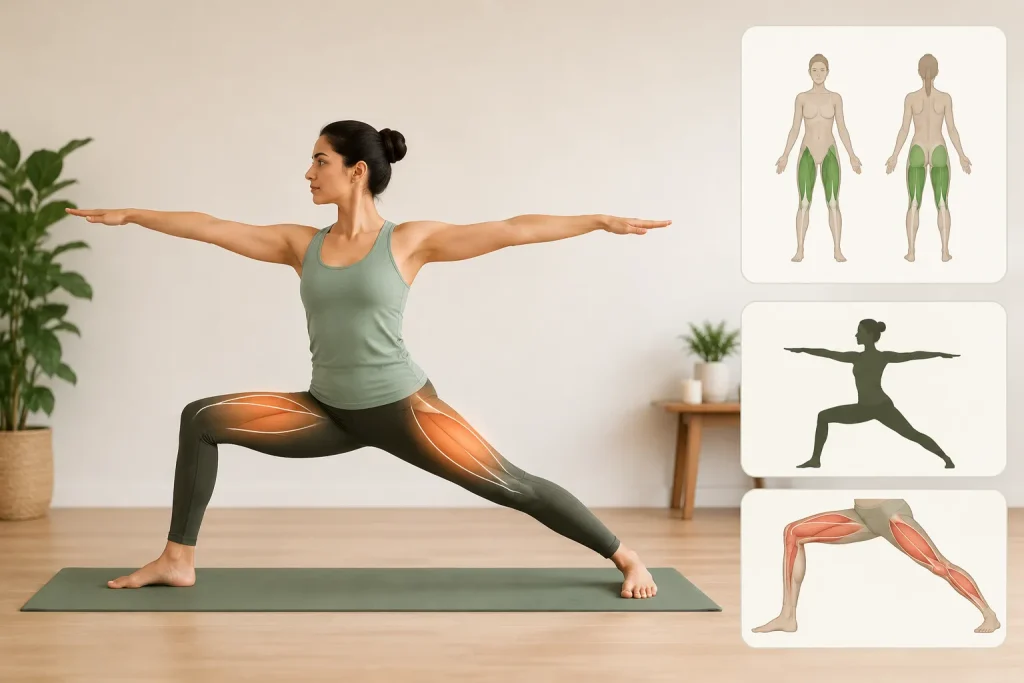
Yoga offers gentle, sustained stretching and strengthening that can benefit people with mild bow legs. Beneficial poses include:
- Virabhadrasana (Warrior I and II) – strengthens thighs and opens the hips
- Trikonasana (Triangle Pose) – stretches the inner thigh and groin
- Baddha Konasana (Butterfly Pose) – opens the hip and groin, reducing tightness that contributes to varus posture
- Malasana (Squat Pose) – improves ankle, knee, and hip flexibility
Yoga should be practiced under guidance, especially for patients with knee pain, to ensure poses are modified appropriately for their level of deformity.
Bow Legs Correction Exercises for Adults: Programme Overview
Adults with bow legs often ask for a structured programme they can follow consistently. Here is a simple weekly framework:
| Day | Focus | Exercises |
| Day 1 | Strength | Hip abduction, bridges, wall squat |
| Day 2 | Flexibility | Hamstring stretch, calf stretch, butterfly pose |
| Day 3 | Balance | Single-leg stand, step-up, clamshell |
| Day 4 | Rest or light walking | Gentle walking with supportive footwear |
| Day 5 | Strength | Straight leg raise, adductor squeeze, bridges |
| Day 6 | Combined | Full routine with all five primary exercises |
| Day 7 | Rest | Recovery |
How to get straight legs from bow legs with exercise: The honest answer is that exercises do not change bone alignment. However, this programme consistently improves muscle balance, reduces pain, and improves walking pattern – which means the legs function better even if the bone alignment remains unchanged. For structural correction, surgery combined with this programme gives the best long-term results.
Bow Legs Exercises for Children and Teens
Children with bow legs often benefit from exercises that are incorporated into play rather than formal programmes.
Exercises for children with bow legs:
- Walking on inner edges of the feet – encourages inward foot rotation that gently counteracts the outward bow
- Cycling – a low-impact activity that builds thigh and hip strength without loading the knee joint directly
- Swimming – excellent for building leg strength without joint stress
- Jumping games – encourage balance and coordination development
- Obstacle courses – improve proprioception in a fun, age-appropriate way
Are children with bowed legs advised to perform exercises?
Yes. Exercises enhance muscle strength and coordination in children, supporting natural alignment correction during the growth phase. They are most effective when combined with:
- Braces or orthotics in children who need additional support
- Regular orthopedic monitoring to track alignment changes with growth
- Parental guidance to ensure exercises are done consistently and correctly
Bowed Legs in Teens
Teenagers with bow legs present a unique challenge. Unlike young children where growth can support natural correction, teenagers may be near the end of their growth phase – meaning natural improvement is less likely.
For teenagers:
- Exercises remain important for muscle support and pain reduction
- If deformity is moderate to severe, guided growth surgical procedures may still be possible if growth plates remain open
- An orthopedic evaluation is essential to assess whether growth plates are still active and whether surgical intervention is appropriate
- Post-surgery, exercises and physiotherapy are a critical part of recovery
Physiotherapy for Bow Legs: What to Expect
Genu varum physiotherapy is a structured, professional-led approach that goes beyond simple exercise lists.
A physiotherapy assessment for bow legs typically includes:
- Gait analysis – observing how you walk to identify abnormal movement patterns
- Muscle strength testing – identifying specific weak muscles contributing to the deformity
- Joint range of motion assessment – measuring how freely the knee and hip move
- Posture evaluation – assessing the whole lower limb chain from the hip to the ankle
Genu varum physiotherapy treatment plan:
Based on assessment findings, a physiotherapist will design a personalised programme that may include:
- Targeted strengthening exercises (as listed above)
- Manual therapy to improve joint mobility
- Taping or bracing guidance
- Footwear and orthotic recommendations
- Gait retraining to reduce abnormal knee stress
- Education on activity modification
How to correct bow legs in adults by physical therapy: Physical therapy cannot change bone alignment, but it addresses the muscular and functional factors that worsen symptoms. Patients who complete a full physiotherapy programme before surgery tend to have faster post-operative recovery and better long-term outcomes.
Bow Leg Correction Belt and Braces: Do They Work?
Many people search for bow leg correction belts or braces for bow legs hoping for a non-surgical solution.
For children: Braces and orthotics play a genuine role – particularly in young children whose bones are still growing. A brace can guide bone growth in a more favorable direction when combined with exercises and regular monitoring.
For adults: Braces do not correct bone alignment in adults. However, they can:
- Provide knee support during painful activities
- Slightly offload the inner knee compartment (offloader braces)
- Reduce pain during walking and sport
An offloader knee brace specifically designed for medial compartment overload (the most common problem in bow legs) can significantly reduce knee pain and improve walking ability – making it a useful supportive tool alongside exercises and physiotherapy.
Bow Legs Before and After Exercise: Realistic Expectations
Patients frequently search for “bow legs before and after exercise” hoping to see transformation photos.
Here is what exercises realistically achieve:
What changes with exercises:
- Reduced knee and hip pain
- Improved walking pattern
- Better muscle definition around the thighs and hips
- Greater endurance during daily activities
- Slower progression of knee arthritis
What does not change with exercises alone:
- The bony angle of the tibia or femur
- The degree of outward bowing visible on X-ray
- The mechanical axis of the leg
If you have mild bow legs and muscle imbalance is a major contributor, consistent exercise over 3–6 months may improve how the legs look functionally – with better posture and improved muscle tone reducing the visual appearance of bowing.
For structural bow leg correction visible on X-ray, corrective osteotomy surgery combined with post-operative exercises gives the most complete results.
Guidelines for Safe and Effective Exercise
- Always start with a warm-up to increase blood flow and prevent injury.
- Perform exercises slowly with control, focusing on form and breathing.
- Increase intensity gradually based on comfort and progress.
- Consult your physical therapist or orthopaedic specialist before starting any new exercise routine.
- Regularity is key—aim for daily or every-other-day sessions.
Post-Surgery Recovery Exercises
After surgical correction, such as Ilizarov surgery, your recovery will include:
- Gentle range-of-motion exercises to prevent stiffness
- Gradual strengthening based on healing stages
- Supervised physical therapy sessions for safe and effective rehabilitation
Bow Leg Surgery Success Rate
A commonly searched question. Corrective osteotomy for bow legs – when performed by an experienced orthopedic surgeon – has a high success rate. Most studies report:
- 85–95% patient satisfaction with pain relief and functional improvement after high tibial osteotomy
- Most patients achieve significantly better knee alignment on post-operative X-ray
- Return to daily activities in 3–4 months; return to sport in 6–9 months
- Long-term studies show delayed progression of knee arthritis compared to untreated bow legs
Post-surgical exercises and physiotherapy are critical to achieving these outcomes. Surgery corrects the bone – exercises and rehabilitation restore the function.
Dr. Divya Ahuja’s clinics in Mumbai provide personalised rehabilitation protocols to ensure optimal recovery.
How to Fix Bow Legs Naturally at Home
Many patients ask how to fix bow legs naturally or at home without surgery. Here is an honest, practical answer.
What you can do at home:
- Follow the exercise programme outlined in this article consistently – 5–6 days per week
- Maintain a healthy body weight to reduce load on the knee joints
- Wear supportive footwear with good arch support; flat shoes worsen bow leg stress
- Use orthotic insoles if recommended by a specialist
- Practice yoga and stretching to maintain flexibility
- Avoid activities that place high impact on the inner knee (heavy squats with wide stance, running on hard surfaces)
What home management cannot achieve: Home exercises and lifestyle changes cannot correct the bony structure of bow legs in adults. They are valuable for managing symptoms, slowing progression, and improving quality of life. For structural correction, medical intervention is necessary.
How to correct bow legs in adults naturally – the realistic summary: Natural management works best for mild bow legs with muscle imbalance as a major component. For moderate to severe structural bow legs, especially with arthritis, consultation with an orthopedic specialist is the most effective path to correction.
Why Choose Expert Guidance for Bow Leg Exercise?
Correct exercise technique and progression tailored to your specific condition maximise benefits and minimise risks. In Mumbai, Dr. Divya Ahuja offers comprehensive consultations and treatments that combine physical therapy and surgical expertise to address complex bow leg cases holistically.
Conclusion
Incorporating targeted exercises into your bow leg treatment plan strengthens muscles, enhances joint function, and supports better alignment—whether used alone in mild cases or in conjunction with surgery. Consistency, proper technique, and expert guidance from specialists like Dr. Divya Ahuja in Mumbai are key to successful treatment and faster recovery.
Start your exercise journey today to establish a healthier, more stable foundation for your legs and enhance your overall quality of life.
Book a Consultation
Our Clinical Locations
Tap a location to view timings, contact, and map.
Broadway Healthcare, Dadar East
Broadway Healthcare, Dadar East
Clinic Info
- 📍 Broadway Healthcare, Dadar East, Mumbai
- 🕒 Wednesdays · 10:00 AM – 12:00 NOON
- 📞 Appointments: +91 93213 17227
Sweet Clinics, Vashi, Navi Mumbai
Sweet Clinics, Vashi, Navi Mumbai
Clinic Info
- 📍 Sweet Clinics, Vashi, Navi Mumbai
- 🕒 Fridays · 10:00 AM – 12:00 NOON
- 📞 Appointments: +91 93213 17227
Heal Well Speciality Clinic, Thane West
Heal Well Speciality Clinic, Thane West
Clinic & OPD Info
- 📍 Heal Well Speciality Clinic, Thane West
- 🕒 Every Wednesday 10:00 AM – 11:00 AM
- 📞 Appointments: +91 81691 04438
Mangal Anand Hospital, Chembur Mumbai
Mangal Anand Hospital, Chembur Mumbai
Clinic & OPD Info
- 📍 Mangal Anand Hospital, Chembur Mumbai
- 🕒 Monday, Wednesday, Friday 03-07 PM, Thursday 06-07 PM, Free OPD Saturday 02-04 PM
- 📞 Appointments: +91 70212 18182
SRV Hospitals, Tilaknagar, Chembur
SRV Hospitals, Tilaknagar, Chembur
Clinic Info
- 📍 SRV Hospitals, Tilaknagar, Chembur
- 🕒 Monday, Wednesday, Friday 11 AM-12 PM
- 📞 Appointments: +91 84518 00800
FAQs
What are the best exercises to support bow leg recovery?
Hip abductor strengthening, quadriceps strengthening, hamstring and calf stretches, glute bridges, and balance drills are most effective to improve muscle strength, flexibility, and stability around the knees.
How soon after surgery can I start exercising?
Depending on your surgery type and healing, gentle range-of-motion exercises often begin within days, progressing to strengthening exercises under professional supervision.
Can exercises correct bow legs on their own?
Exercises improve muscle balance and joint function, but cannot fully correct bone deformities. Mild or functional cases benefit most; structural bow legs often need surgery.
How frequently should bow leg exercises be done for the best results?
Daily or alternate-day exercise routines, with 3 sets of 10-15 repetitions per exercise, help build strength and support recovery.
Do these exercises help relieve pain related to bow legs?
Yes, strengthening and stretching exercises reduce abnormal stresses on joints and muscles, alleviating pain and improving function.
What precautions should I take when exercising for bow legs?
Perform exercises with proper form to avoid injury, progressing gradually. Consult a physical therapist to ensure safety and effectiveness.
Are children with bowed legs advised to perform these exercises?
Yes, exercises enhance muscle strength and coordination, assisting natural correction and preventing complications during growth.
Should braces or orthotics be used alongside exercises?
In children, especially, braces and orthotics complement exercises by supporting correct alignment during treatment.
How does physical therapy guide exercise routines for bow leg recovery?
Physical therapy tailors exercise programs, ensures correct technique, and adjusts intensity for safe, effective rehabilitation.
Where in Mumbai can I get expert guidance for bow leg exercises and recovery?
Dr. Divya Ahuja’s clinics in Thane West, Dadar East, Vashi, and Chembur offer specialized physical therapy and rehabilitation for bow leg treatment and post-surgical recovery.
Do bow leg exercises help relieve knee pain?
Yes. Strengthening and stretching exercises reduce abnormal joint stress, improve muscle support around the knee, and significantly reduce pain during walking and daily activities.
Can bow legs be corrected in adults without surgery?
Mild cases with significant muscle imbalance improve with exercise and physiotherapy. Moderate to severe structural bow legs require corrective osteotomy surgery for meaningful alignment correction.
How to fix bow legs naturally at home?
Follow a consistent exercise programme, maintain healthy body weight, wear supportive footwear, practice yoga and stretching, and use orthotics. These manage symptoms but do not correct bone alignment.
What is the bow leg surgery success rate?
Corrective osteotomy achieves 85–95% patient satisfaction with significant pain relief and improved alignment. Post-operative physiotherapy is essential to maximise and maintain surgical outcomes.
What causes bow legs in adults?
Common causes include knee osteoarthritis, old fractures that healed incorrectly, Paget’s disease, obesity increasing inner knee load, and untreated childhood bow legs persisting into adulthood.
What is the best exercise for varus knee?
Hip abductor exercises (side-lying leg lifts, clamshell) and inner thigh strengthening (adductor squeeze) are most targeted for varus knee because they address the specific muscle imbalances involved.
Can yoga help bow legs?
Yes. Yoga poses like Warrior II, Triangle Pose, and Butterfly Pose improve hip flexibility, inner thigh strength, and overall lower limb alignment. Consistent practice reduces pain and improves posture.
Do bow leg exercises work for teenagers?
Yes. Exercises build strength and support alignment during remaining growth. Teenagers near growth plate closure may also benefit from guided growth surgery combined with a post-operative exercise programme.
How long does it take to see results from bow leg exercises?
Most patients notice reduced pain and improved walking pattern within 6–8 weeks. Visible functional improvement in posture and gait can take 3–4 months of consistent practice.
What is a bow leg correction belt and does it work?
A bow leg correction belt provides general knee support. In adults, it does not correct bone alignment but can reduce pain during activity. Dedicated offloader knee braces are more clinically effective.
How to correct bow legs in adults by physical therapy?
Physiotherapy addresses muscle imbalance, gait abnormalities, and joint stiffness through targeted exercises, manual therapy, and gait retraining. It manages symptoms and optimises surgical outcomes but does not change bone alignment.